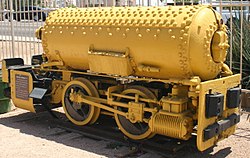
Pneumatic systems used in industry are commonly powered by compressed air or compressed inert gases. A centrally located and electrically-powered compressor powers cylinders, air motors, pneumatic actuators, and other pneumatic devices.
Pneumatic systems utilize compressed air to transmit and control energy, relying on key components such as compressors, valves, and actuators for operation. The design of pneumatic systems must maintain optimal pressure levels to ensure safety and efficiency, usually targeting a range of 60-80 PSI.
Pneumatics is the science and technology of pressurized air—using piped, compressed air (or a similar gas, such as nitrogen) to transmit force and energy.
pneumatic (comparative more pneumatic, superlative most pneumatic) Of, relating to, or resembling air or other gases Of or relating to pneumatics Powered by, or filled with, compressed air
Pneumatic systems use compressed air to transfer energy. Learn about pneumatic systems, their components, & their industrial and commercial applications.
By converting stored potential air pressure into kinetic energy, pneumatic systems generate movement in applications that require speed and precision. This tutorial will cover the fundamentals of pneumatics, exploring its use in robotics, lifting mechanisms, and automation.
Pneumatic systems operate by compressing air or another gas, storing it, and then releasing it to perform work. Common components in a pneumatic system include compressors, valves, cylinders, actuators, and hoses.
Pneumatic systems use compressed air to transmit power, while hydraulic systems use a fluid (usually oil). Pneumatic systems are simpler and quicker to respond but are less powerful than hydraulic systems.